Introduction
Sustainability has become an important consideration for organisations looking to reduce waste, use resources more efficiently, and improve the environmental impact of everyday operations. Technology plays an important role in this conversation because businesses regularly replace computers, laptops, servers, monitors, and other electronic equipment. Establishing responsible processes for managing these assets at the end of their useful life can make technology management more sustainable. Working with experienced specialists such as Zero Tech Waste helps businesses manage redundant IT equipment responsibly while supporting recycling, resource recovery, and broader long-term sustainability objectives.
Responsible IT recycling is more than simply removing unwanted computers from the workplace. It forms part of a wider technology lifecycle strategy that considers how equipment is purchased, used, maintained, retired, and ultimately processed. By integrating recycling into everyday business planning, organisations can reduce electronic waste while improving operational efficiency and environmental responsibility.
Why IT Recycling Matters for Modern Businesses
Digital transformation means organisations depend on more technology than ever before.
As businesses introduce new systems and upgrade existing infrastructure, they regularly remove older devices from active use. Without an organised recycling strategy, this equipment can accumulate in offices, warehouses, storage rooms, and other business premises.
Over time, this creates unnecessary waste and makes technology assets more difficult to manage.
Responsible IT recycling provides a structured route for equipment that has genuinely reached the end of its useful life. Rather than letting obsolete technology sit unused indefinitely, businesses can ensure it is handled through an appropriate recycling process.
Reducing Electronic Waste
One of the most significant sustainability benefits of responsible IT recycling is reducing the amount of electronic equipment entering general waste streams.
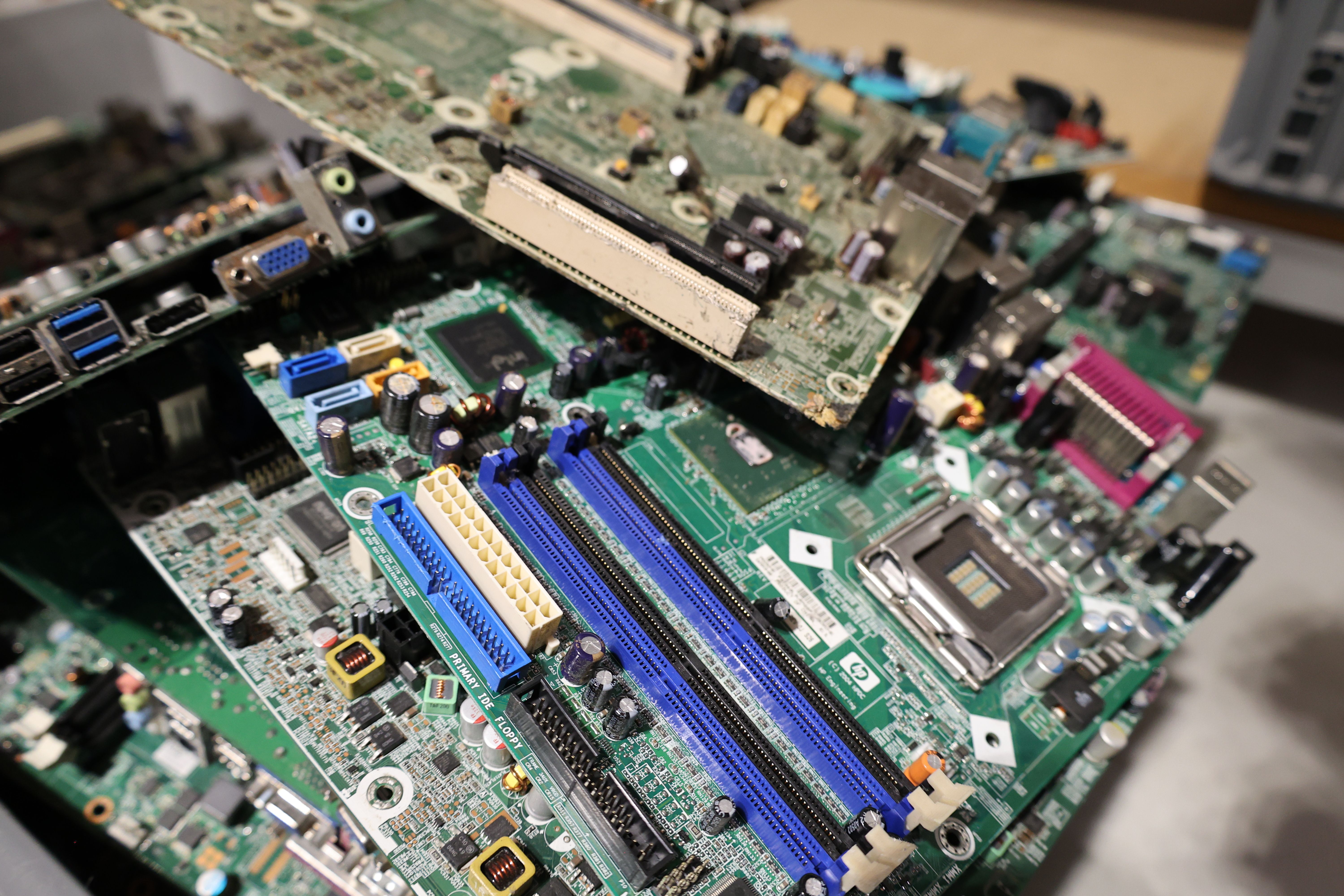
Technology contains a mixture of materials and components that require appropriate processing. When devices go through specialist recycling channels, suitable materials can be recovered rather than unnecessarily discarded.
Responsible recycling can therefore help businesses:
- Reduce electronic waste
- Limit unnecessary landfill disposal
- Support material recovery
- Improve resource efficiency
- Develop more sustainable disposal practices
For organisations working towards environmental objectives, these improvements can become an important part of wider sustainability programmes.
Recovering Value From Existing Materials
Many electronic devices contain materials that remain useful even when the equipment itself is no longer operational.
Appropriate recycling processes can recover metals, plastics, and other components. Recovering these resources helps reduce unnecessary waste while supporting more efficient use of existing materials.
This creates an important shift in how organisations think about obsolete technology.
Instead of viewing retired equipment as waste, businesses can recognise it as part of a wider resource cycle in which materials may retain value beyond the original device.
Supporting a Circular Approach to Technology
Traditional technology consumption often follows a straightforward pattern: purchase equipment, use it, replace it, and dispose of it.
A more sustainable model considers whether products, components, and materials can remain useful for longer.
This is closely connected with the principles of a circular economy.
Businesses can support a more circular technology lifecycle by considering whether equipment can be:
- Maintained for longer
- Redeployed internally
- Reused where appropriate
- Recycled responsibly
- Processed for material recovery
Responsible recycling therefore becomes the final stage of a broader strategy designed to make better use of technology resources.
Improving Corporate Sustainability Strategies
Many organisations are introducing environmental targets across areas such as energy use, transportation, procurement, waste management, and supply chains.
IT equipment should also form part of these discussions.
Technology recycling gives businesses a practical way to embed sustainability into routine operational decisions.
Rather than treating environmental responsibility as a separate initiative, organisations can integrate it into existing technology management procedures.
This helps make sustainability part of normal business operations rather than an occasional project.
Improving Visibility Across IT Assets
Responsible recycling also encourages businesses to maintain better oversight of their technology.
Before recycling equipment, organisations need to identify which devices are active, which remain suitable for reuse, and which have genuinely reached the end of their operational life.
Regular asset reviews can improve visibility across:
- Computers and laptops
- Servers
- Storage devices
- Networking equipment
- Monitors and displays
- Other electronic business assets
Better visibility makes it easier to prevent unnecessary purchases, organise technology refresh programmes, and remove redundant equipment at the appropriate time.
Reducing Unnecessary Storage
Unused technology can quickly occupy valuable business space.
A few redundant computers may seem insignificant at first, but repeated upgrades can eventually lead to substantial equipment storage.
Regular recycling programmes help prevent this accumulation.
Removing technology that is no longer required allows organisations to reclaim storage space while creating cleaner, more organised working environments.
It also reduces the administrative effort required to track assets that no longer provide operational value.
Connecting IT Recycling With Technology Refresh Programmes
Responsible recycling works particularly well when integrated directly into planned technology upgrades.
Instead of introducing new devices first and deciding what to do with old equipment later, businesses can plan both stages together.
For example, when preparing a computer replacement programme, organisations can simultaneously identify:
- Equipment suitable for continued use
- Devices that could be redeployed
- Technology requiring secure retirement
- Equipment ready for recycling
This creates a smoother and more organised transition between technology generations.
Supporting Better Long-Term Resource Management
Sustainable business practices depend on using resources carefully throughout their lifecycle.
Technology is no different.
Businesses that regularly review their IT assets can make more informed decisions about when equipment genuinely needs replacing and what should happen when devices leave active use.
This approach helps prevent unnecessary consumption while ensuring obsolete technology is not simply forgotten.
Over time, these practices can create a more efficient technology environment that supports both operational and environmental objectives.
Making Responsible Recycling Part of Business Culture
Long-term sustainability works best when environmental responsibility becomes part of everyday decision-making.
Employees and departments should understand that obsolete technology should follow an established process rather than being stored indefinitely or discarded through general waste channels.
Clear internal procedures can establish:
- When equipment should be reviewed
- Who manages retired assets
- How devices should be stored before collection
- How asset records should be updated
- Which recycling processes should be followed
Consistent procedures help make responsible technology management part of normal business culture.
Frequently Asked Questions (FAQs)
Why is responsible IT recycling important for businesses?
It helps organisations reduce electronic waste, recover useful materials, improve technology lifecycle management, and support wider sustainability objectives.
What types of business technology can be recycled?
Depending on the recycling service, equipment may include computers, laptops, monitors, servers, networking hardware, storage devices, and other electronic assets.
How does IT recycling support sustainability?
It reduces unnecessary waste while helping suitable materials from obsolete technology re-enter resource and recycling streams.
Should businesses recycle all old IT equipment?
Equipment should first be assessed. Devices that remain suitable may sometimes be reused or redeployed, while technology that has reached the end of its useful life can enter an appropriate recycling process.
How often should businesses review redundant IT equipment?
Regular reviews are useful, especially during technology refresh programmes or when significant quantities of unused equipment begin to accumulate.
Conclusion
Responsible IT recycling can play an important role in long-term business sustainability by reducing electronic waste, supporting material recovery, improving resource efficiency, and encouraging organisations to consider the complete lifecycle of their technology.
By incorporating recycling into everyday IT management and technology refresh programmes, businesses can create a more organised approach to redundant equipment while supporting wider environmental objectives. Over time, these practices contribute to a more sustainable technology strategy that balances operational requirements with responsible resource management.